

From Peaks to Ports: The Taste of Handcrafted Traditions

Join a flavorful journey through Artisan Foodways from Mountain Pastures to Coastal Markets, where migrations of herders, tides, and seasonal roads shape what ends up on your plate. We’ll meet the people, places, and practices that nurture character-rich cheeses, cured fish, wild herbs, and fermented wonders, celebrating resilient skills, ethical choices, and recipes you can bring into your kitchen today.

Morning Milk, Evening Wheels

The first milking steams in the chill, then finds the vat, rennet, and a practiced hand that reads curd by sound and resistance. By dusk, wheels rest in cloth, pressed beneath stones, salted tomorrow. Each step remembers elders’ jokes, storms survived, and herbs the herd chose at noon, composing flavors no recipe can fully predict, only patiently reveal with time and care.

Herbs Written Into the Rind

Gentian, arnica, wild thyme, and sweet clover travel from pasture to palate through fat and protein, tinting aromas with sun and thunder. When cows graze higher, milk speaks brighter; when rains linger, texture deepens. Cheesemakers listen, adjusting cut size, stirring pace, and pressing weight. The rind becomes a diary of weather and wander, a readable story for anyone willing to taste slowly.

Campfire Economies and Quiet Deals

By lantern, neighbors swap a small wheel for a sack of buckwheat or honey thick with forest. My grandmother once traded a barely brined round to a traveling tinsmith who fixed her leaky pot, promising to return before snowfall. That wheel aged stubbornly well, creamy at first snow, carrying smoke, fern, and the shy smile of a fair exchange made without a ledger.

Salt, Smoke, and Time as Quiet Collaborators

Across valleys and harbors, preservation binds plenty to lean months, guiding families through storms and market closures. Salt measures trust, smoke lends endurance, and cool air invites patience. Even in modern cellars humming with sensors, instincts remain sovereign: fingertips checking tacky surfaces, noses catching early whispers of overconfidence. Tradition and science clasp hands, agreeing that time should lead, and ego follow respectfully behind.

Caravans to Quays: Exchanges That Seasoned Palates

Paths worn by mule hooves and river barges once stitched upland huts to bustling piers, moving wheels, grains, olives, and stories. Markets became classrooms where bargaining taught listening, patience, and flair. That choreography persists today in dawn deliveries, chilled crates, and handwritten tags. Flavor diversity widens when routes converge, letting distant hills meet new tides, creating dishes that feel both traveled and homely.

When the Tide Writes the Menu

Coastal craft balances moon phases, fog, and fragile abundance. Nets return with mixed fortunes, yet skilled hands cure small fish into delicacies that travel far beyond the breakwater. Salt pans mirror the sky, catching crystals like quiet snow. Sea greens brighten stews from inland; citrus keeps the fleet awake. Respect is the binding spice here, asking harvesters to leave enough for tomorrow.

Anchovies Under Gentle Pressure

Layered with sea salt, tiny fillets rest beneath weights for patient months, surrendering bitterness and gathering depth. When lids finally lift, the scent is oceanic but hospitable, perfect on warm bread with a cool hill cheese. Makers guard barrel notes like lullabies, tweaking time by weather, always courting umami without bullying. A good anchovy invites conversation, never demands applause, just another slice.

Salt Pans and Sun Mirrors

Shallow ponds, raked at dusk, turn seawater into delicate crystals that crunch like fresh snow. Harvesters read wind as text, moving brine across beds so impurities settle and shimmer. Their shoulders remember summers, hats salted stiff by earned patience. This mineral brightness travels inland tucked in linen bags, renewing soups, finishing roasted roots, and reminding mountains that their rivers ultimately greet the sea.

Revival Without Romance: Craft for Today’s Realities

The new generation honors elders while counting costs, carbon, and hours honestly. It chooses fair pay, transparent sourcing, and biodiversity over glossy myths. Pastures rotate to heal soil; boats retrofit to sip fuel. Labels tell stories verifiable by QR and conversation. Success is measured by community strength, not volume alone, ensuring good food remains possible, inclusive, and proudly accountable to place.

Your Kitchen, a Meeting Point for Mountains and Sea

You don’t need a cave or a boat to taste these journeys. Begin with questions, shop with intention, and cook with restraint, letting ingredients introduce themselves. Pair alpine butter with anchovy heat, tuck sea greens beside roasted roots, and save every useful scrap. With small habits, your home becomes a delicious crossroads where landscapes converse gently, and dinner earns meaningful, memorable applause.

Shopping with the Right Questions

Ask how animals grazed, which cove saw the net, what week the salt was raked, and whether sea greens grew away from runoff. Taste before buying when possible, and greet artisans by name. Curiosity opens careful doors, inviting candid advice about storage, pairings, and peak weeks. Good ingredients feel respected when asked about, and they usually answer with flavor that returns the courtesy generously.

Simple Dishes with Deep Lineage

Try warm polenta kissed with browned butter, a single anchovy melted into the foam, crowned by shavings of a high-pasture cheese. Or stir chopped seaweed into fresh butter, spread on crusty bread beside paper-thin venison. Consider potatoes boiled in seawater salinity, finished with tarragon and lemon zest. Each plate honors journeys without spectacle, faithful to place yet generous to your weekday schedule.

Care, Storage, and Zero-Waste

Wrap cheeses in breathable paper; never suffocate them in plastic. Keep fish ice-cold and dry, then transform bones into broth with fennel tops and onion skins. Save brines and whey for marinades and baking; they carry quiet magic. Rinds enrich soups, while herb stems perfume pickles. Waste shrinks, thrift grows, and every leftover becomes a promise of tomorrow’s savory, sincere lunch.

Pass the Basket: Stories, Questions, and Shared Discoveries

Pull up a chair and help shape where we go next. Share market finds, pasture memories, and kitchen experiments; ask anything, from brining ratios to pairing doubts. Subscribe for field notes, tastings, and seasonal checklists. Your comments create a living pantry of wisdom, connecting solitary chores into community practice, and turning fleeting meals into a steady, generous conversation across hills, harbors, and homes.

Tell Us What the Wind Tastes Like

Describe the flavor of your local breeze: rosemary against stone, diesel at dawn, or kelp after rain. What have you learned from a vendor’s offhand tip? Which mistake taught you patience? Leave a note, attach a photo, and inspire someone several valleys away to trust their senses and try again tomorrow, knowing craft grows sturdier whenever stories travel generously between strangers.
Mapping Hands, Not Just Places

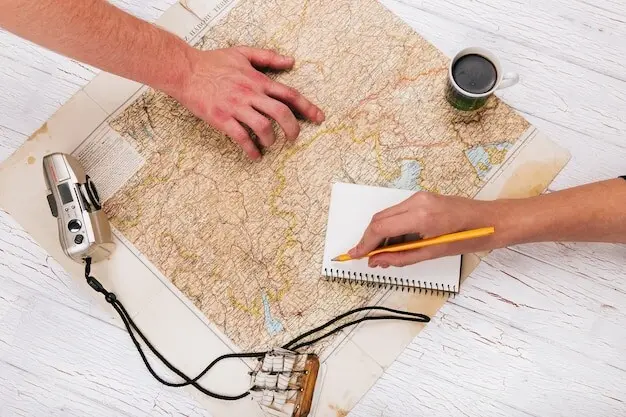
We’re building a reader-powered map that honors people as much as points. Submit an artisan you admire, a harbor stall that saved your supper, or a shepherd who guided you through fog. We’ll highlight routes worth walking and docks worth lingering near. Join our newsletter to see updates, nominate unsung experts, and help honest work find the customers who will truly listen.

The Kitchen Experiments Club

Each month, we propose a friendly challenge—like pairing a coastal preserve with an upland staple—then share results, tweaks, and triumphs. Post your notes, confess your flops, and pass along clever fixes. Tag your market, thank your maker, and suggest the next prompt. Participation turns recipes into relationships, building a table long enough to welcome every curious cook and steadfast craftsperson.

Zorilentomiralivo
Privacy Overview

This website uses cookies so that we can provide you with the best user experience possible. Cookie information is stored in your browser and performs functions such as recognising you when you return to our website and helping our team to understand which sections of the website you find most interesting and useful.