Journey Lightly from Alps to Adriatic

Set out on uplifting, low-impact journeys with sustainable travel itineraries along the Alpe-Adria Route, tracing quiet valleys, converted railways, and emerald rivers from Alpine foothills to the Adriatic. We blend trains, bicycles, and hiking, spotlight small producers, and share practical planning tips that reduce emissions, nurture communities, and make every day feel purposeful, unhurried, and deeply memorable. Expect generous maps and storytelling that turn logistics into delight, and meaningful encounters into anchors you will treasure long after the sea breeze fades.

Getting There the Low-Carbon Way

Arrive rested and ready by choosing smart connections that replace traffic jams with mountain views. Regional and long-distance trains link major European cities to Salzburg, Villach, Tarvisio, and Udine, often with straightforward bike spaces and clear wayfinding. Thoughtful transfers, simple reservations, and integrated tickets keep carbon footprints tiny while turning the journey itself into a serene prologue filled with landscapes, books, and conversations. We share lived tips that transform platforms and timetables into welcoming gateways rather than obstacles.

Cycling the Converted Rails and Alpine Valleys
The Ciclovia Alpe Adria drifts from Tarvisio past spruce shadows, stone viaducts, and retired railway tunnels that hum with cool air even at noon. Gentle gradients invite conversation instead of panting, while frequent fountains, picnic lawns, and interpretive signs slow time. You pass small bike workshops, an apricot stand beside an orchard wall, and a bakery in Venzone whose owner once handed us warm lavender biscuits for the final stretch. Beauty feels steady, unshowy, and generous.

Hiking the Alpe-Adria Trail with Care

Glaciers to Pastures: Respecting High Places

Morning chill tugs at sleeves near snowfields even in summer, inviting layers rather than bravado. Paths can be narrow, so greet climbers and give way to animals as if you were a trusted neighbor. Alpine huts prefer soft-soled slippers inside; pack them. Always secure trash, move quietly at dawn, and read weather like a careful friend. A ranger once taught us to count seconds between thunder and echo, transforming caution into confidence without scaring the day.

Soča Valley Flow: Footbridges and Wildflower Meadows

Morning chill tugs at sleeves near snowfields even in summer, inviting layers rather than bravado. Paths can be narrow, so greet climbers and give way to animals as if you were a trusted neighbor. Alpine huts prefer soft-soled slippers inside; pack them. Always secure trash, move quietly at dawn, and read weather like a careful friend. A ranger once taught us to count seconds between thunder and echo, transforming caution into confidence without scaring the day.

Karst and Coast: Stone, Wind, Quiet Harbors

Morning chill tugs at sleeves near snowfields even in summer, inviting layers rather than bravado. Paths can be narrow, so greet climbers and give way to animals as if you were a trusted neighbor. Alpine huts prefer soft-soled slippers inside; pack them. Always secure trash, move quietly at dawn, and read weather like a careful friend. A ranger once taught us to count seconds between thunder and echo, transforming caution into confidence without scaring the day.

Stay Green: Lodging, Food, and Local Culture

Sustainable stays can feel beautifully personal: timber chalets warmed by pellet stoves, agriturismi pouring wines from hills behind the house, and small hotels quietly proud of refill stations and rooftop solar. Hosts share harvest calendars and suggest morning markets where strawberries taste of rain. By choosing places that source locally, reduce waste, and honor culture, your overnight becomes part of the landscape’s health. Conversations at breakfast become directions to unexpected chapels, lakes, and bread ovens still warm.

Eco-Certified Sleeps with Character

Look for clear sustainability actions rather than buzzwords: bulk toiletries, real linen drying, vegetarian breakfasts with regional grains, and bicycles parked under covered racks. Ask about insulation, heat-pump systems, and whether housekeeping skips daily towel changes by default. A family near Venzone proudly showed rainwater tanks feeding garden beds, then lent us maps hand-annotated with shaded picnic nooks. Their pride felt contagious, shaping how we traveled the following days with softer steps and clearer choices.

Seasonal Plates and Zero-Waste Picnics

Menus tilt with the months: mountain cheeses in cool seasons, asparagus and peas after spring rains, sun-bright tomatoes near the sea. Carry a compact kit—cloth napkin, spork, beeswax wrap, and a lightweight box—to decline disposables gracefully. Shop at markets, greet farmers by name after the second visit, and craft picnics that become little rituals of place. Even coffee grounds find futures in garden soil when hosts compost; offer to help, and stories spill like olive oil.

Itineraries for Different Paces

Whether you have a long weekend, a generous week, or days shaped by little legs and nap windows, these plans blend rail segments, gentle stages, and meaningful stops. Each itinerary privileges low-carbon links, scenic pauses, and locally owned stays. Weather alternatives, accessible detours, and moments for serendipity are baked in. Think of them as invitations to savor rather than schedules to obey, leaving room for pastries that appear exactly when morale and cinnamon call.
Day one: arrive by train in Villach, warm up along riverside paths, and climb a tiny ridge walk at golden hour. Day two: transfer to Tarvisio, cycle the converted rail line to Venzone, stopping for tunnels, viewpoints, and bakery kindnesses. Day three: explore Udine’s lanes car-free, then roll to Aquileia for mosaics before a final stretch toward Grado. Each connection is light on logistics, rich in texture, and gentle on budgets and emissions alike.
Begin near high valleys with a short acclimatization hike, then take the train through the tunnel section that would otherwise be unsafe. Cycle from Villach to Tarvisio, onward to Venzone, Udine, and the Roman quiet of Aquileia before the shimmering finish in Grado. Rest midweek at a farmstay that repairs punctures and serves garden suppers. Add a detour into Slovenia for a day’s green lane around Kranjska Gora if legs and weather agree thoughtfully.
Choose protected paths with frequent fountains and playgrounds, aiming for twenty to thirty gentle kilometers maximum. Book rooms with kitchenettes and laundry, and time departures after hearty breakfasts. Reward milestones with gelato, fruit markets, or a ferry glimpse near the lagoons. Pack reflective vests, tiny headlamps for tunnels, and a magnifying glass for bug discoveries. Snap photos at every bridge, ask kids to count swallows, and let curiosity set the daily pace without negotiations.

Gear, Safety, and Responsible Choices

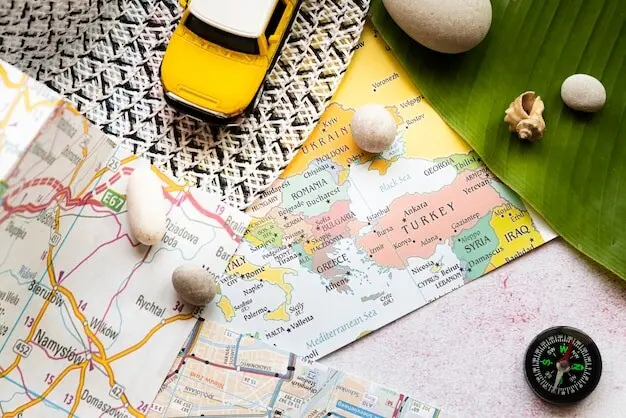
Thoughtful packing and road manners protect landscapes and build goodwill with everyone sharing the route. Lightweight layers, repair know-how, refillable bottles, and compact chargers reduce waste and panic. Bright lights and bells make tunnels and mixed-use lanes kinder places. We suggest insurance, emergency numbers, and printed maps as a backstop to electronics. With small habits—a litter pocket, quiet voices near wildlife, and sunscreen that respects waterways—you become the traveler locals hope to see again.

01

Pack Light, Repair Fast, Reuse Always

Carry one dependable multitool, a tiny pump, patches, tire boots, and nitrile gloves that double for greasy chain work and first aid. Clothing rotates through careful washes in biodegradable soap, then dries overnight on a travel line. A collapsible cup meets fountains with gratitude. Share spare bolts and zip ties with stranded riders and watch a micro-community appear. Repaired things carry stories, and stories make trips feel like chapters rather than single-use adventures quickly forgotten.

02

Shared Paths: Courtesy, Bells, and Bright Lights

Approach walkers with a friendly bell and a thank-you, pass wide, and keep speeds conversational on busy stretches. Switch on steady lights in tunnels and forests; flashing can disorient. Announce groups, never swarm cafés, and yield space at viewpoints so everyone claims a moment. If surfaces are wet or gravelly, downshift expectations rather than blame. Courtesy is contagious, and a route stitched by many hands deserves calm wheels and considerate boots in return.

03

Health, Weather, and Backup Plans

Storms gather fast between ridges; trust forecasts, but also the feel of air on forearms. Pack a compact first-aid kit, blister care, electrolyte tabs, and a bandana that becomes shade, sling, or filter. Save emergency numbers offline, and agree meeting points when groups spread out. Alternate days by rail if heat builds, and never hesitate to rest. Sustainable travel includes sustaining yourself, because resilience beats bravado and gets everyone safely to the next sunrise.
Join the Community and Swap Routes

Post your favorite stages, fountain locations, and family-tested playground stops, and ask for feedback on tricky transfers or kid-friendly tunnels. Invite others to borrow your annotated GPX files, and be generous with lessons learned from headwinds, heat, or unexpected magic. We will highlight thoughtful contributions in seasonal roundups, crediting creators and linking to their projects. A friendly circle of insight makes the next traveler’s day easier, funnier, safer, and far more beautifully connected.

Support the Stewards Who Keep It Open

Consider small, recurring donations to trail groups, nature parks, and volunteer squads who repaint waymarks, clear fallen branches, and maintain safe bridge decks after storms. Purchase local guides and maps—they fund caretaking and transmit hard-earned wisdom. When you meet crews at work, offer a thank-you, a thermos pour, or a spare snack. Infrastructure feels invisible until it isn’t; sustained, community-scale support ensures future walkers and riders inherit paths that feel cared for and kind.
Zorilentomiralivo
Privacy Overview

This website uses cookies so that we can provide you with the best user experience possible. Cookie information is stored in your browser and performs functions such as recognising you when you return to our website and helping our team to understand which sections of the website you find most interesting and useful.